
Reading the City’s Faded Letters and Worn Thresholds
Materials That Learned to Speak Over Time

How to Read Street-Level Archives Without a Library Card
Typographic Time Machines
Letterforms date themselves. A high-waisted R, a double-story a, or a wedge serif can suggest catalog origins or sign writers’ schools. Fat face exuberance often pairs with nineteenth-century bravado, while geometric sans appears with early electrification and streamlined optimism. Combine type with punctuation norms—ampersands versus “and,” periods after abbreviations—and you’ll place messages within decades. Even spacing tells a story, revealing whether the painter traced, stenciled, or improvised on breezy scaffolding.
Layers, Overpaint, and Spectral Shadows
Look for edges where new coats never fully conquered earlier messages. Sun fades top layers faster, allowing buried lettering to surface like low-tide rocks. Scrapes from sign brackets show placements; mortar fills reveal where fixtures were pried off. Photograph obliquely so raking light exaggerates relief. Later graffiti sometimes outlines original letters by accident, offering unintentional restoration. Each partial reveal is a negotiation between erasure, budget, weather, and the stubbornness of pigment chemistry.
Wear Patterns as Evidence of Movement
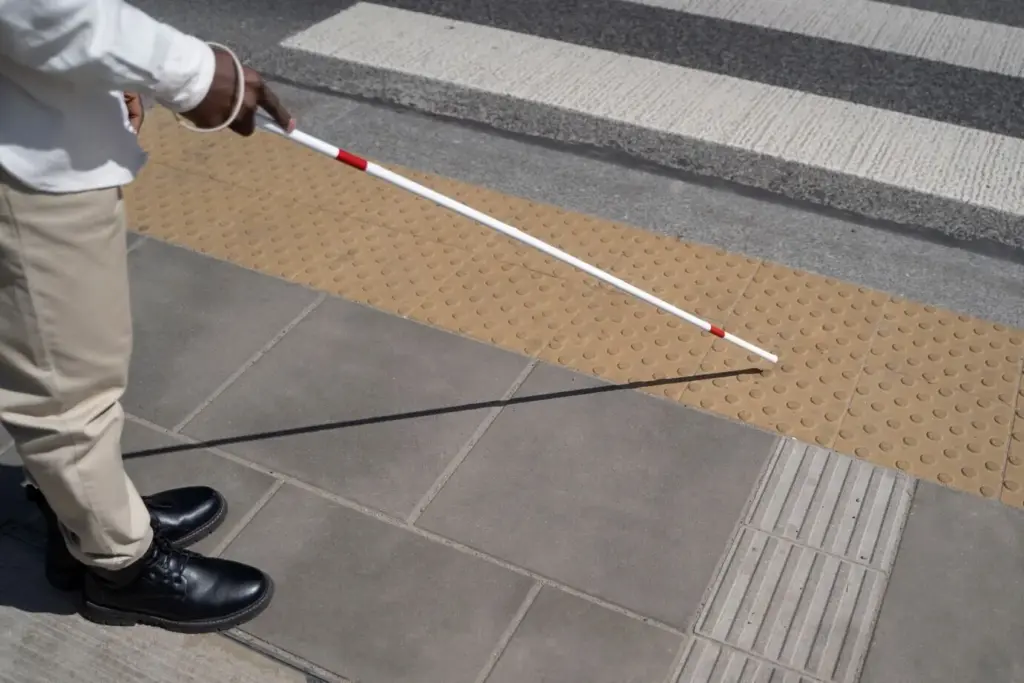
Thresholds map bodies. Dark polish in the center tells of hurried commutes; lighter margins mean loitering conversations or window-shopping pauses. Chips near the jamb indicate deliveries brushing crates through tight entries. Brass burnishes where hands tugged a heavy door. Even rubber scuffs sketch a season, with salt-crusted winters etching grit into the composition. Read these patterns as traffic diagrams of habit, labor, anticipation, and the small social rituals that make retail feel like a neighborhood stage.
Documenting Before It Disappears
Stories Hidden in Plain Sight
Care, Consent, and Change
Designing Forward With a Backward Glance
All Rights Reserved.